
Why Is Blepharitis So Hard to Get Rid Of?

Why Is Blepharitis So Hard to Get Rid Of?

Why Is Blepharitis So Hard to Get Rid Of?

Why Is Blepharitis So Hard to Get Rid Of?
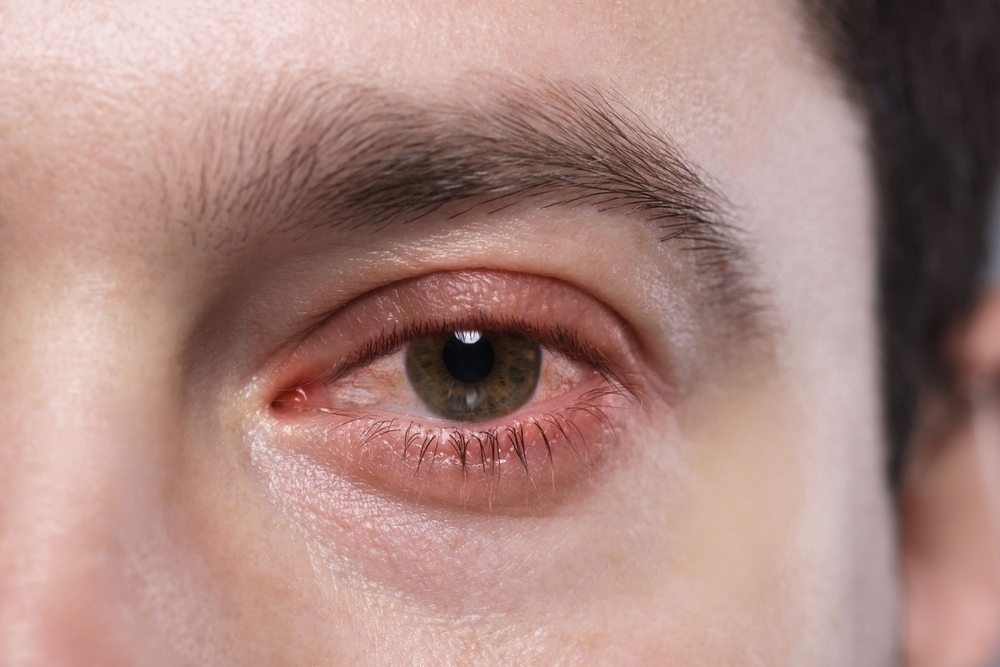
If you’ve been dealing with red, irritated eyelids that just won’t seem to improve, you’re not alone. Blepharitis is one of the most common eye conditions we see at Quality Eye Care - and one of the most frustrating for patients. Many people are surprised to learn that blepharitis isn’t something you simply “cure” with a quick prescription. Instead, it’s a chronic condition that requires ongoing management.
So why is blepharitis so hard to get rid of? Let’s take a closer look.
What Is Blepharitis?
Blepharitis is inflammation of the eyelids, typically affecting the area where the eyelashes grow. It can cause symptoms such as:
Red, swollen eyelids
Itching or burning sensations
Crusty debris at the base of the lashes
Watery or dry eyes
A gritty feeling, like something is in your eye
While it’s rarely sight-threatening, it can significantly impact comfort and daily life.
It’s a Chronic Condition, Not a One-Time Infection
One of the biggest reasons blepharitis is difficult to eliminate is that it’s usually chronic. Unlike a simple bacterial infection that clears with antibiotics, blepharitis often stems from ongoing issues such as:
Overgrowth of natural bacteria on the eyelids
Dysfunction of the oil glands (meibomian glands)
Skin conditions like rosacea or dandruff
Poor eyelid hygiene
Even when symptoms improve, the underlying causes often remain. Without consistent care, flare-ups can return.
The Role of Oil Glands
Your eyelids contain tiny oil glands that play a crucial role in maintaining a healthy tear film. When these glands become clogged or inflamed, it can contribute to both blepharitis and dry eye symptoms.
Blocked glands don’t always resolve on their own. In many cases, they require ongoing maintenance to keep them functioning properly. If the glands remain obstructed, inflammation can persist or come back repeatedly.
Bacteria Are Always Present
Another reason blepharitis can be stubborn is that bacteria naturally live on your skin and eyelids. While this is completely normal, certain conditions can allow bacteria to multiply and cause irritation.
Even after treatment reduces bacteria levels, they can build up again over time. That’s why long-term eyelid hygiene is so important for keeping symptoms under control.
Treatment Is About Management, Not Cure
Currently, there is no permanent cure for blepharitis. However, the good news is that it can usually be managed very effectively with a consistent routine.
Treatment often includes:
Daily eyelid cleansing to remove debris and bacteria
Warm compresses to help loosen clogged oils
Medicated ointments or drops in more severe cases
Artificial tears to relieve dryness and irritation
For patients with significant gland blockage, in-office treatments may be recommended to thoroughly clean the eyelids and improve oil gland function. These procedures can help reduce inflammation and improve long-term comfort when at-home care isn’t enough.
The key is consistency. Skipping your routine - even after symptoms improve - can allow inflammation to return.
Why Professional Guidance Matters
Because blepharitis shares symptoms with other eye conditions, proper diagnosis is essential. What feels like simple dryness or allergies could actually be chronic eyelid inflammation.
At Quality Eye Care, we evaluate the health of your eyelids, tear film, and oil glands to determine the most effective treatment plan. With the right combination of in-office care and at-home maintenance, most patients experience significant relief.
Don’t Let Blepharitis Keep Coming Back
Blepharitis is hard to get rid of because it isn’t a one-time problem - it’s an ongoing condition influenced by bacteria, oil gland function, and eyelid hygiene. While there’s no permanent cure, consistent treatment and professional guidance can keep symptoms well-controlled and greatly improve your comfort.
If you are ready to find lasting relief, schedule a comprehensive eye exam at Quality Eye Care. Visit our office in Jacksonville, Florida, or call (904) 601-1300 to book an appointment today.
Quick Links

All Eye
Care Services

Keep
In Touch
Interested in
Our Services?
Request an appointment with this form to schedule a time with our professional staff!
(904) 503-0039
Jacksonville Office
13241 Bartram Park Blvd
Suite 1501-1505
Jacksonville, FL 32258
Monday - Friday
08:30AM - 5:00PM
Powered by:

